Operation Guide: How to Calibrate a Spiral Pipe Mill
Step 1: Align the Machine: The first method is to ensure that the machine is aligned. That requires tuning so the pipe comes out correctly.
Roller Inspection: Inspect the rollers next to make sure that they are in good condition and properly aligned. This benefit will allow to correctly contain and shape the pipe without issues.
Speed Selection: A correct speed setting for the machine is important to set. This assures that the pipe is manufactured at the proper speed and eliminates some production error.
Testing the Welding: Following the pipe's formation, testing the welding is a crucial step. This ensures it has the strength to seal all leaks or breaks.
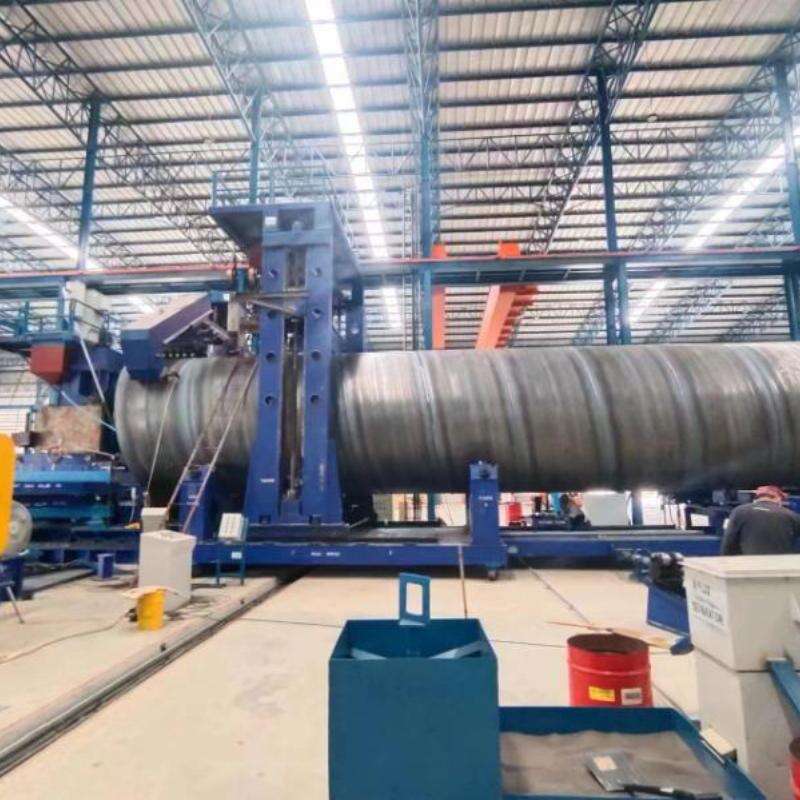
Last Check: Lastly, conduct a final inspection to confirm that everything is operating properly. This ensures that the pipes produced are of the highest quality.
Key Machineries and Instruments Needed to Set up a Spiral Pipe Mill
The machine Wheel is the most vital tool for installing a spiral pipe mill. If your machine is not up to par, then it will be difficult to generate quality pipes.
Rollers: You need rollers to shape the pipe to the spec. OK you have accredited rollers and adjust them well.
Welding Equipment — It is important to ensure that the right tools are used in preparation for quality pipe welds. Tools and welding machine And ensure that your welding machine is in good working order.
Speed Control- A speed control device is required for the production process. This guarantees that the pipes are formed at the appropriate speed.
Inspection Tools: One should have multiple inspection tools including measuring tape, calipers, welding inspection tools, etc., to ensure the pipes are set to quality.
Calibration Challenges in Spiral Pipe Mills: How to Diagnose and Resolve
Pipes Forming Unevenly: If the Spiral Pipe Mill pipes are not forming evenly, check the alignment of the rollers and ensure they are adjusted correctly.
Weak Welding: If the welds of the pipe are weak, you can change the welding settings and check the quality of the welding equipment.
Speed Problems: If machine is fast or slow, you can change speed control device to make the pipes in right speed.
Defective Pipes: If there are visible wear and tear in the spiral pipe mill pipes, such as leaks or breaks, review every step of the calibration system to determine the problem.
How to Setup and Calibrate Your Spiral Pipe Mill Efficiently
Exercise General Maintenance: Carry out general maintenance checks and cleaning of your spiral pipe mill to keep it running smoothly.
Make sure to train your employees on proper setup and calibration procedures which can help avoid unnecessary rework and improve productivity and quality during production.
Quality Control — Implement a rigorous quality control process to quickly identify issues and eliminate defects from the pipes.
Cycle for Improvement: Seek avenues for improving your setup and calibration for greater spiral pipe machine efficiency and better grade pipes.
When you take these steps and use the appropriate tools and equipment, you can set up and calibrate your spiral pipe mill efficiently. HUAYE is committed to providing you with quality products and services to ensure that your pipe-making process is successful.